
An Honest Economy for Shasta County
Ground zero for California's wildfire crisis — and the community that refuses to give up
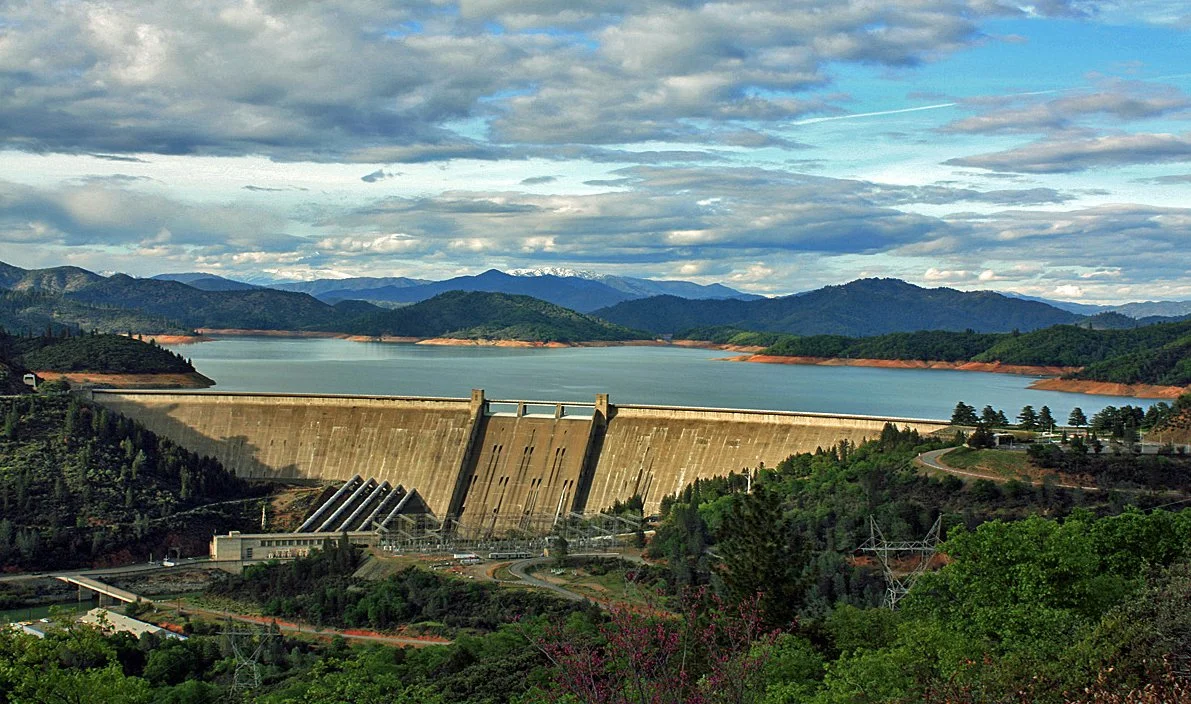
Shasta County is the beating heart of Northern California. Redding is the largest city north of Sacramento — the regional hub for healthcare, commerce, and everything in between. But the Carr Fire, the Zogg Fire, and fire after fire have turned this community into ground zero for California's insurance collapse. Families who survived the flames are now losing their homes to non-renewal notices. The forests that keep catching fire are overgrown because decades of fire suppression created a tinderbox. These three bills attack the wildfire crisis from every angle: the reinsurance gap that insurers can't fill alone, the black-box risk models that are pushing Shasta families off coverage, and the federal forest management programs that can reduce fuel loads while creating jobs.
You Survived the Fire. Then Your Insurance Company Left.
Shasta County has been hit by catastrophic wildfires that killed people, destroyed neighborhoods, and scarred entire communities. The survivors rebuilt — and then their insurance companies dropped them. The forests that keep catching fire are overgrown because nobody's managing them. These three bills attack the problem at every level: a federal backstop for catastrophic losses that private insurers can't absorb alone, transparency in the risk models that are pushing Shasta families off coverage, and investment in the forest management that prevents the next megafire. Not promises — drafted federal legislation with real funding and constitutional analysis.
Climate Resilience & Fire Reinsurance Act
When the next fire is a billion-dollar disaster, someone has to be able to pay — this bill makes sure they can
Private insurance companies can't handle catastrophic wildfire losses alone. When a single fire costs billions — as the Carr Fire did — insurers either go bankrupt or pull out of the market entirely, which is exactly what's happening across Shasta County. This bill creates a federal reinsurance backstop modeled on the same proven system that protects the country from flood and terrorism losses. It's the backup behind the backup — so when the next megafire hits, insurance companies can actually pay claims instead of fleeing the state. The facility is self-funded through premiums paid by insurers, not taxpayers. It requires transparent risk modeling so communities can see exactly why their rates are what they are and challenge assessments that don't reflect actual mitigation work. And it includes home hardening incentives — real money for homeowners who invest in fire-resistant roofing, defensible space, and ember-resistant vents. You do the work, you get the savings — not just a token discount on a policy that's about to be non-renewed anyway.
Federal Wildfire Insurance Stabilization Act
Insurance companies are using secret algorithms to drop you — this bill rips the black box open
Right now, insurance companies use proprietary risk models that nobody can see or challenge to decide who gets coverage and who doesn't. In Shasta County, those models are wiping out entire neighborhoods. Families who hardened their homes, cleared their brush, and did everything right are still getting non-renewal notices because the algorithm says their zip code is too risky. This bill replaces those secret models with an open-source National Wildfire Risk Model — built with real data, reviewed by real scientists, available to everyone. It creates a national "Zone Zero" standard: a 5-foot noncombustible buffer around every structure that qualifies homeowners for guaranteed, mandatory premium discounts — not suggestions. It establishes Firewise Community Certification that rewards entire neighborhoods for collective fire safety action, because one house can't protect itself if the neighbor's deck is cedar. And it funds low-income home hardening grants so that fire safety isn't only for those who can already afford to retrofit. Shasta County — where the Zogg Fire burned over 56,000 acres in 2020 — is exactly the kind of community this bill was designed for.
CA-2 Comprehensive Affordability, Fair Housing, Education, and Community Health Act (CA-2 CAFE-CH)
The forests are overgrown because nobody's managing them — this bill funds the work and creates the jobs
The Carr Fire didn't just happen. It happened because decades of fire suppression left Shasta County's forests dangerously overgrown — packed with fuel that turns every spark into a catastrophe. The CA-2 CAFE-CH Act is the platform's most comprehensive district-wide bill, and its Division M — Redwood Country Rural Prosperity and Biomass Energy directly funds the forest management that Shasta desperately needs. It establishes Tri-Zonal Forest Management: Zone 1 protects old-growth stands; Zone 2 thins the wildland-urban interface to 60–80 trees per acre — the fuel reduction work that would have changed the Carr Fire's trajectory; Zone 3 creates sustained-yield timber jobs in areas where harvest is appropriate. The Biomass Circular Economy Program converts the slash, brush, and residuals cleared from overgrown forests into biogas energy and compost instead of leaving them to become the next fire's fuel. It formally recognizes Indigenous cultural burning as a sovereign right and legitimate forest management tool, incorporating the fire knowledge that kept these forests healthy for thousands of years before suppression policies made everything worse. Mass timber manufacturing grants up to $15,000,000 per facility can anchor a new wood products industry in the Redding area — turning forest health work into durable local jobs. And 100/20 Mbps broadband reaches every home in Shasta County, with telehealth infrastructure that addresses the healthcare access gaps in communities far from Redding's medical hub.
Every Bill Meets These Standards
Not campaign talking points — drafted legislation tested against eight ironclad principles. Read the bills. Check the math. Hold me accountable.
Join the Show Your Work
Movement
No spam. No corporate money. Just real updates on Shasta County issues, the 38+ bills, wildfire insurance accountability, food security alerts, and events near you — straight from the candidate.
Your info stays private · No PAC money · No corporate donors · Unsubscribe anytime